
An anionic PAM tender should distinguish product characteristics from the separator result the plant needs. A copied charge or molecular-weight range cannot guarantee performance on an unspecified slurry. Give suppliers a defined duty, a comparable approval method and clear shipment requirements.
Define the feed and intended result
State slurry origin, solids and water range, upstream chemicals and the separator. Identify whether clarification, compaction or filtration governs acceptance. Where several duties are combined, specify which need separate qualification. Do not demand a universal dose across an undefined feed range. The separation-goal selector helps purchasing describe the result rather than order whichever document offers the strongest-sounding molecular descriptor.
Require a reproducible candidate comparison
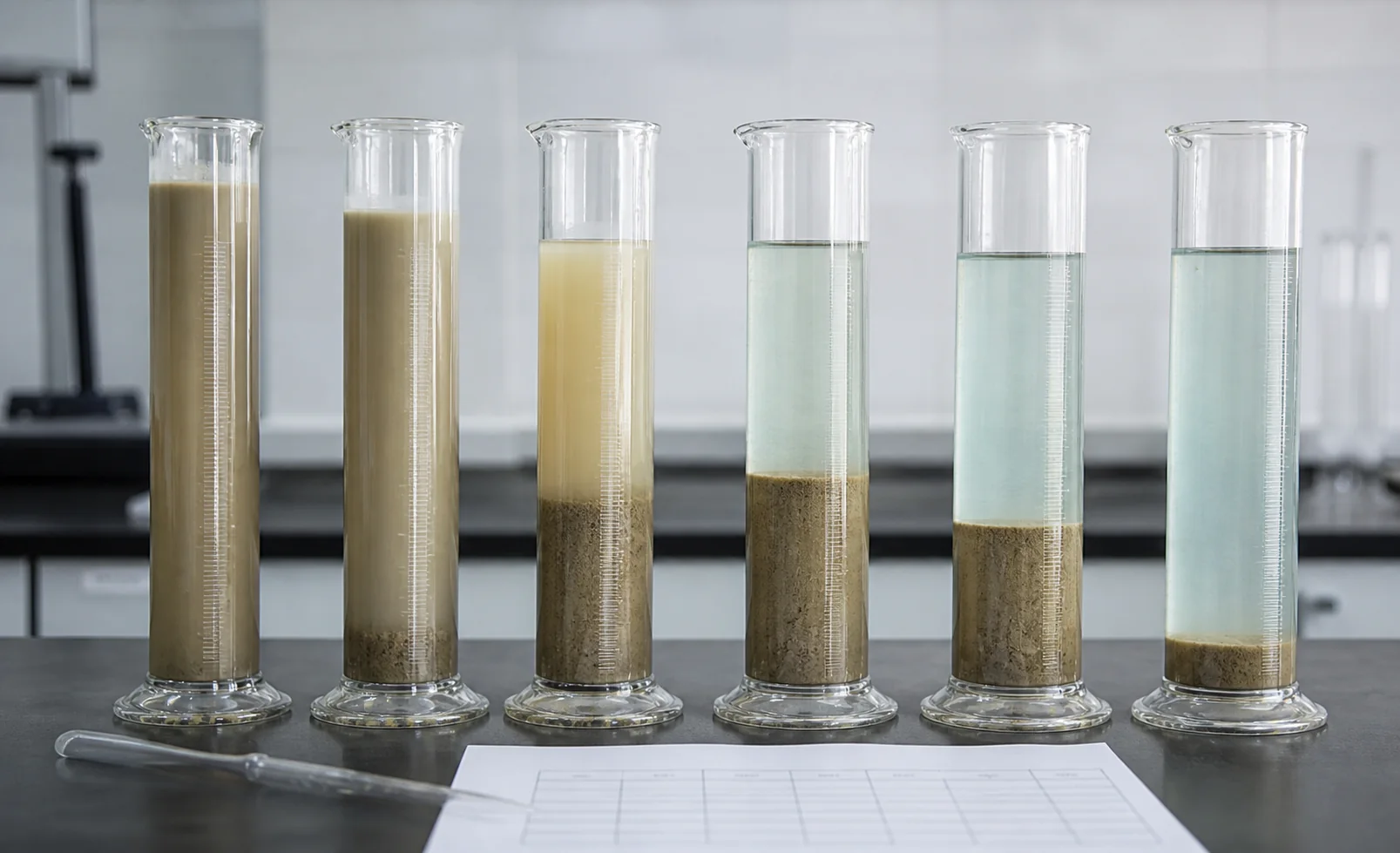
Request product code and relevant preparation guidance. Define solution water, concentration, aging, dose basis, reference and measurement conditions. Include how finalists progress to a plant trial and who releases them. The settling method supports a mineral-duty screen, but different separators need their own endpoints. A clear method makes the offers comparable without promising one test suits every application.
Separate documents from application acceptance
TDS information, SDS and lot documents serve different purposes. Where numerical properties are compared, require the methods and conditions needed to interpret them. A batch document can support conformity to agreed values but cannot prove universal treatment performance. Specify identity, package markings and proportionate receiving checks. Use incoming-lot review to keep shipment release linked to the qualified product.
Make supply and substitution scope explicit
State quantity, destination, packaging and requested delivery terms. Keep forecast demand distinct from committed orders. Require approval before changes of identity, form or package that affect operation. Responsible commercial staff should review binding terms and applicable procurement requirements. Technical guidance is not a substitute for that review. Ask for confirmation of actual stock and timing instead of fabricating factory capacity, certificates or guaranteed lead times.
Record the purchase decision
Complete the following checks with actual measurements, observations or an agreed document reference. Keep an untested condition visible as a limitation rather than assuming equivalence. The candidate code, sample identity and trial method must remain attached to the decision so purchasing and operations approve the same product and duty.
| Check | Evidence | Order decision |
|---|---|---|
| Duty | Feed range, separator and acceptance endpoints | Supplier can propose a focused candidate set |
| Method | Preparation, dose basis and reference comparison | Offers are tested on a consistent basis |
| Shipment | Identity, documents, package and change control | Delivered grade remains traceable to approval |
Send a useful sample and quotation enquiry
Provide defined plant duties, existing reference grades, trial procedure and acceptance responsibilities. Include volume, package and destination separately from the technical screen. Identify mandatory document or handling requirements as items to confirm, not claims that any quoted anionic PAM already satisfies them.
Include quantity, packaging preference and destination separately from the technical approval. Use the anionic PAM sample worksheet to define the candidate screen and confirm quality documents and delivered supply scope for the selected identity. Gongyi Xinqi Polymer Co., Ltd. can review the requirements. Availability, commercial terms and application suitability require confirmation; a process name does not establish a universal dose or guaranteed operating result.
Request a focused sample review
Send solids, water, separator and purchasing requirements for this duty.