
Technical working library
Anionic PAM Field Notes
Anionic PAM field notes for solids and water selection, coagulant-aid jar tests, slurry dose, turbidity failures, tailings, sand washing and preparation.
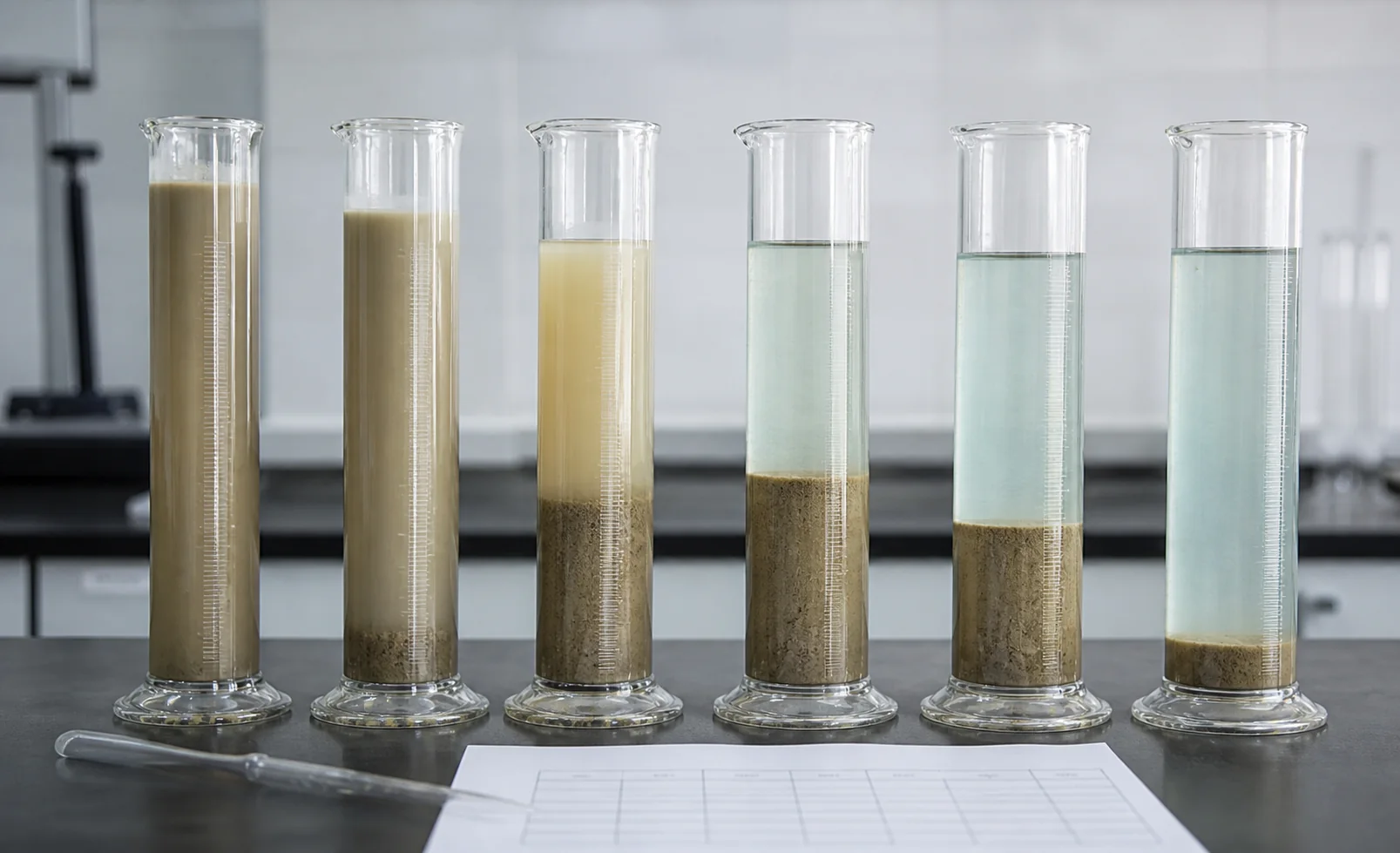
How to Select Anionic PAM by Solids and Water Chemistry
Select anionic PAM through particle character, pH, dissolved ions, coagulants, charge response, molecular architecture, dose curves and separator evidence.
Open field note →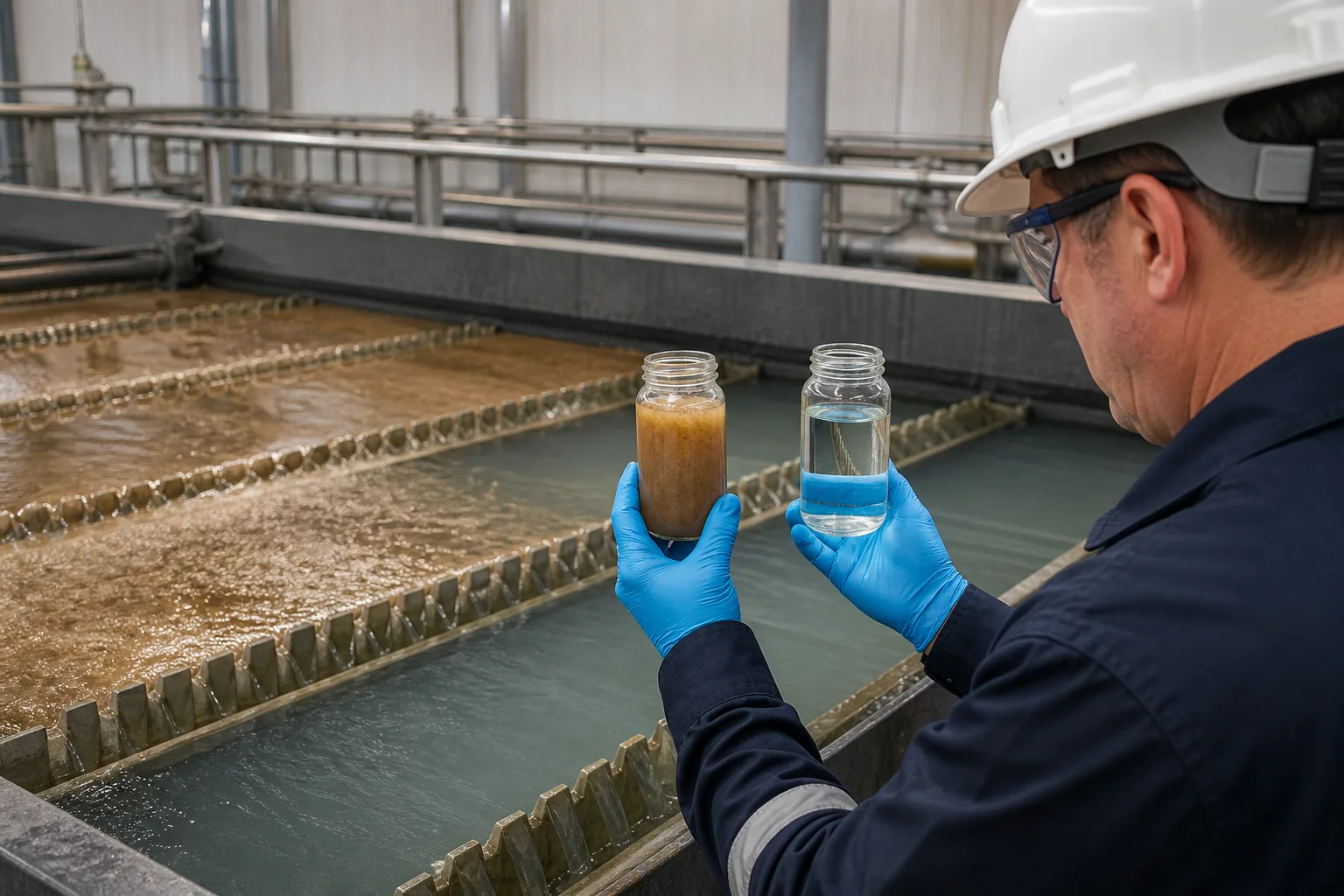
Anionic PAM Jar Test after PAC, Alum or Ferric Coagulation
Run an anionic PAM coagulant-aid jar test with fixed pH and coagulant baselines, controlled mixing, dose curves, settling and sludge measurements.
Open field note →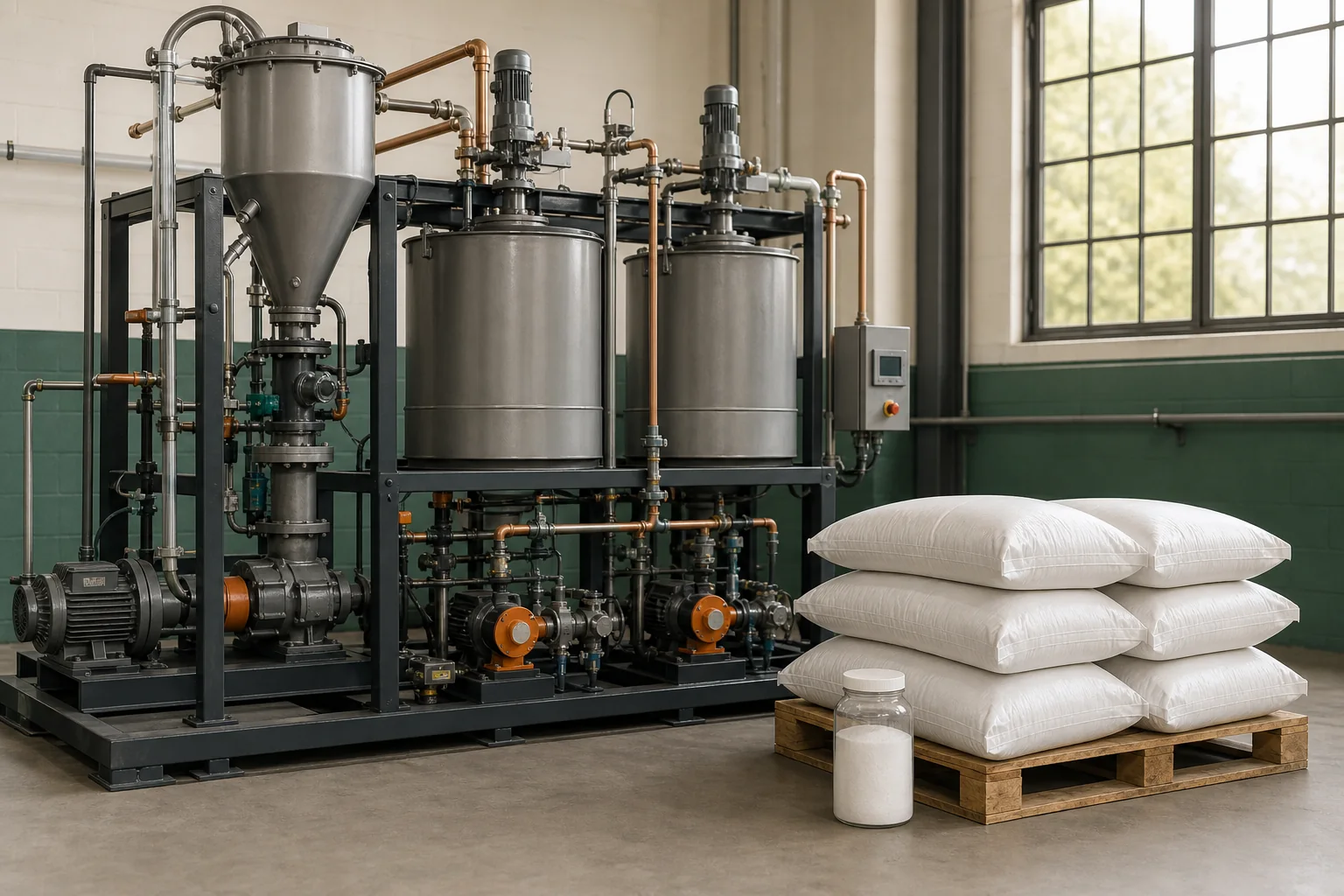
How to Calculate Anionic PAM Dose for Slurry Flow
Calculate anionic PAM dose from slurry flow, solids fraction, density, stock concentration and calibrated pump output for comparable plant trials and cost.
Open field note →Why Anionic PAM Leaves High Turbidity after Settling
Diagnose high turbidity after anionic PAM by checking feed change, dose basis, preparation, coagulant sequence, charge fit, mixing, shear and separator condition.
Open field note →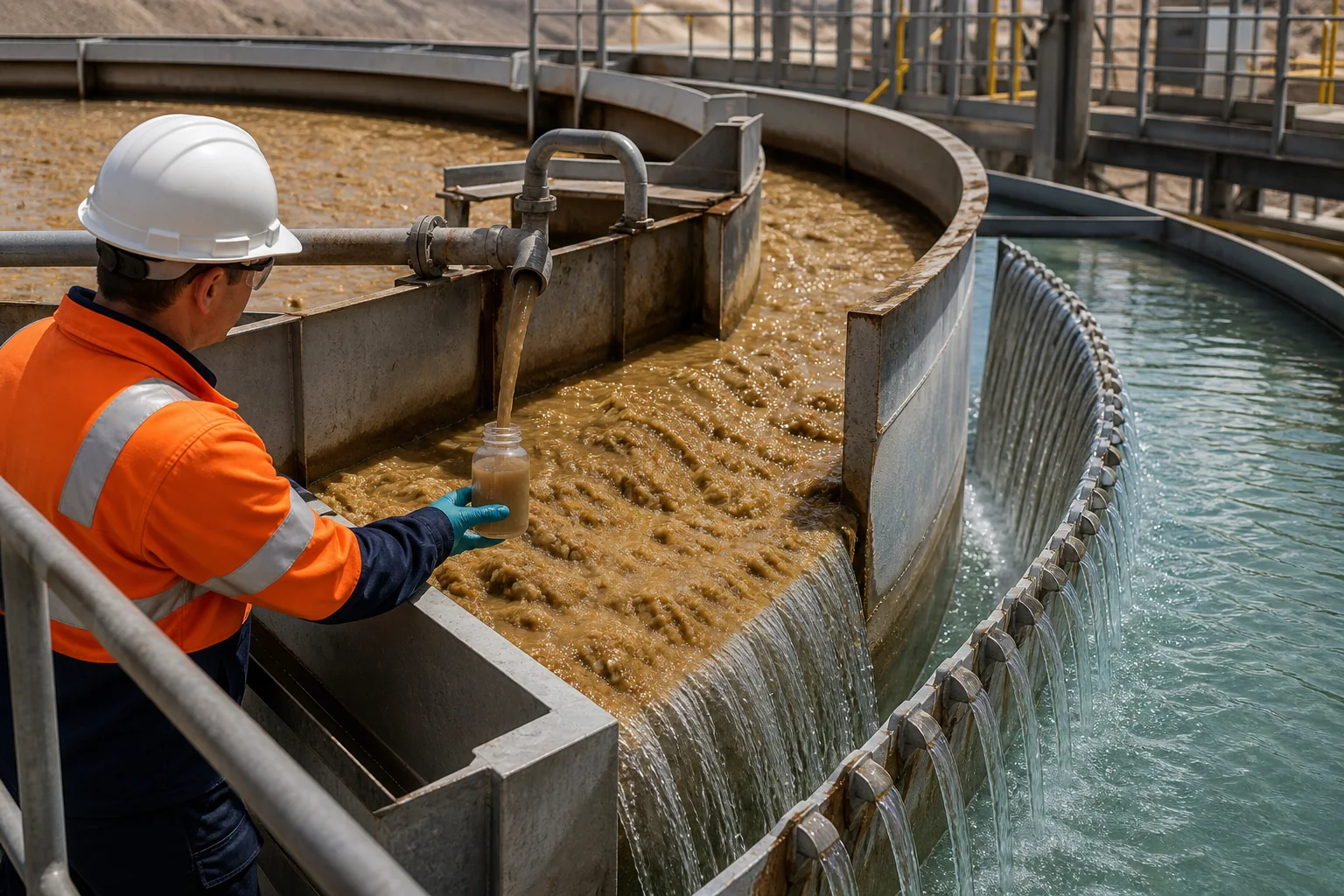
Mining Tailings Settling Test for Anionic PAM
Run an anionic PAM tailings settling test with representative slurry, active dose, controlled mixing, interface velocity, overflow, compaction and shear checks.
Open field note →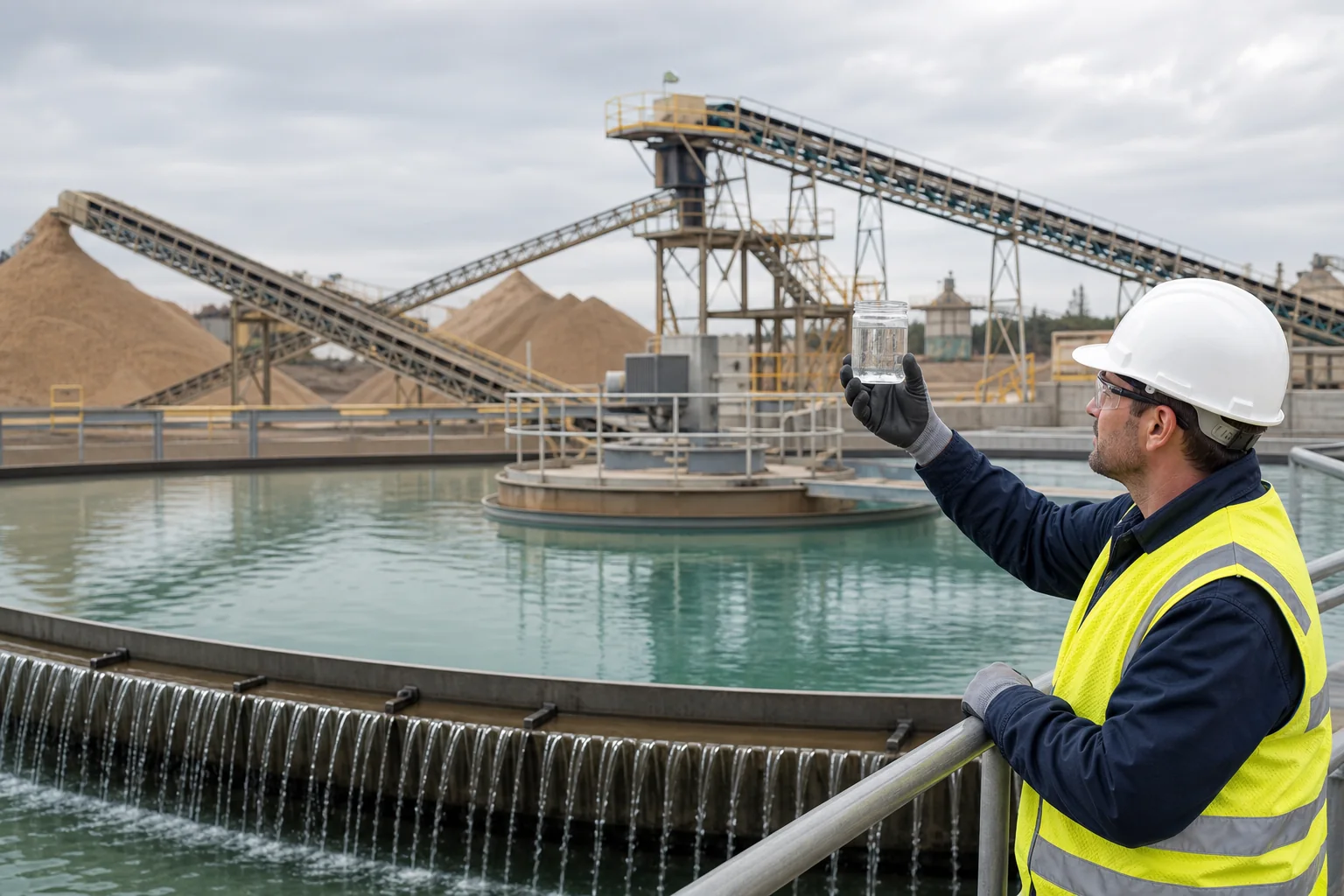
How to Control Anionic PAM in Sand-Washing Water Recycling
Control anionic PAM in sand-washing water recycling through fines load, recycle chemistry, settling, sludge withdrawal, filter response and dry-solids dose.
Open field note →Anionic PAM Solution Preparation without Fisheyes
Prepare anionic PAM solution by controlling powder induction, water, staged mixing, maturation, tank residence, secondary dilution, age and pump calibration.
Open field note →Anionic vs Cationic PAM: Which Charge Fits the Solids?
Compare anionic and cationic PAM through particle surface, dissolved chemistry, coagulation, sludge character, equipment endpoints and controlled application trials.
Open field note →